
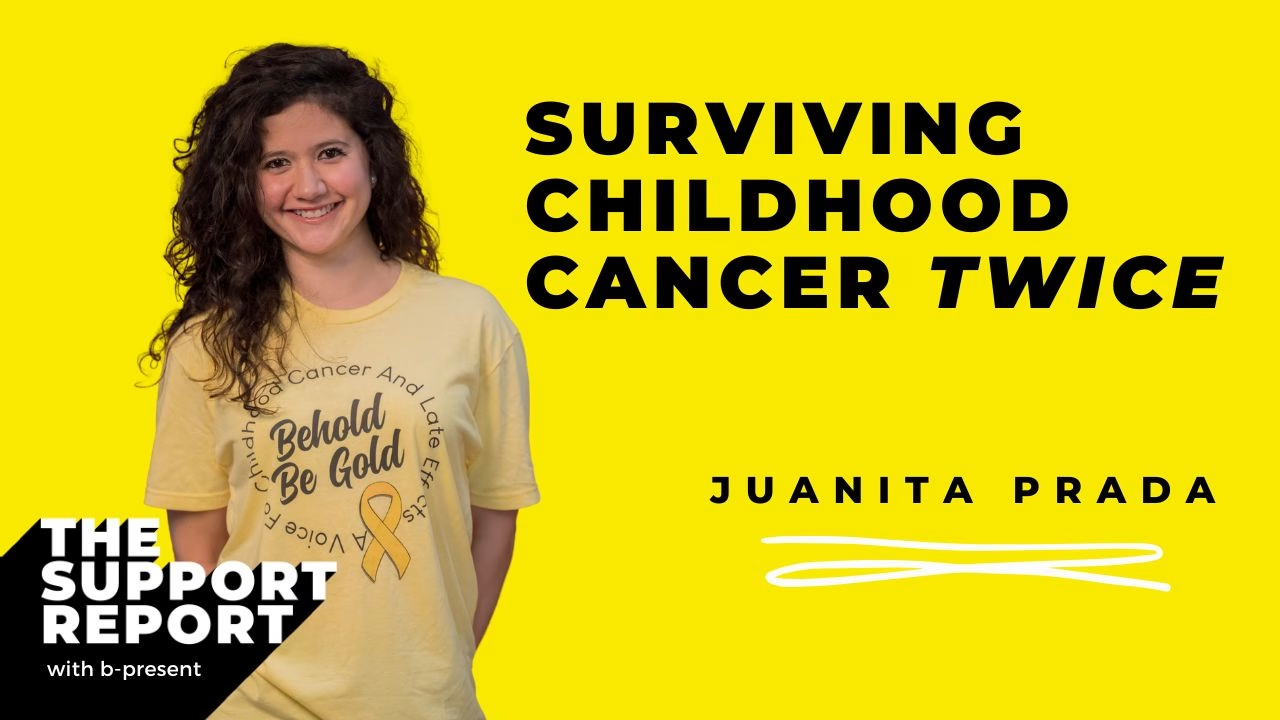
“I felt confused, heartbroken…like I was being punished,” recalls 2x childhood cancer survivor Juanita Parada, remembering the moment, at just 10 years old, when she first heard those harrowing words, “You have cancer.”
From the shock of diagnosis to relearning to walk and speak after life-threatening complications, and facing cancer not once, but twice, Juanita’s story is a testament to resilience, vulnerability, and the transformative power of authentic support. This blog explores her lived experiences as a child and young adult survivor, the profound impact of compassionate inclusion, and her ongoing advocacy through BeholdBeGold.
A Childhood Defined by Survival and Solitude
Juanita was diagnosed with acute lymphoblastic leukemia in 2003. The first round of treatment led to a traumatic ICU stay, coma, stroke, and neurological complications. Reflecting on that time, she shares:
“I had to learn how to walk, talk…speak both Spanish and English again.”
Juanita also experienced cancer’s late effects, including vision loss, cognitive delays, dental irregularities, and epilepsy. These aren’t rare.
According to the National Cancer Institute, “About 85% of children with cancer now live 5 years or more after a cancer diagnosis because of advances in pediatric cancer treatment. But these cancer treatments can cause other health problems later in life. This is true for anyone who’s had cancer treatment, but especially when people are treated early in their lives because some problems take a very long time to develop.”
Whether you have a child with cancer or are a childhood cancer survivor, it’s important to know what the possible late and long-term effects of cancer treatment are and what to look out for.
The Power of Inclusion
One of the most powerful themes of Juanita’s story is inclusion. She recounts how small gestures from friends like hospital visits, nail-painting sessions, and a Halloween party where everyone dressed as her made a huge impact.
“Being with somebody who didn’t go through cancer made me feel more secure… I’m accepted.”
Build Understanding
Juanita’s path wound through hospital hallways, makeshift classrooms at home, and the awkward return to a school life that no longer felt familiar, shadowed by the deep loneliness that often follows young people diagnosed with cancer.
Juanita didn’t just face leukemia; she faced a system that didn’t always make room for her reality. After missing a year of school and re-entering with visible differences, many peers didn’t know what to say, so they said nothing at all. That silence was isolating.
“I felt like the weird kid who had cancer.”
Building understanding starts with normalizing the conversation. You don’t need to have the perfect words, just the courage to ask questions, say the hard things out loud, and hold space for truth. Presence > perfection.
“Those patients who have at least a few loved ones available for close emotional support— and who call upon their support or practical help—show a better psychological adjustment to cancer than patients who are largely alone or tend to ‘go it alone’ in coping with their illness. Reaching out for support often means expressing your feelings and concerns to others— which, as we saw, can be a challenge for many patients. It can also mean that you ask your loved ones for the type of support you need most, and this requires that you first ask yourself what that support might consist of.” —Andrew Kneier, Ph.D. Ernest Rosenbaum, M.D. Isadora R. Rosenbaum, M.A., Stanford Medicine
Improve Communication & Identify Boundaries
Support isn’t about grand, sweeping gestures. It’s in the everyday questions:
“Want to come to the game?”
“Want to watch a movie?”
“How are you really feeling?”
Juanita’s friends didn’t always know what to do, but they tried, and that mattered. These moments of intentional outreach communicated care and offered choice, giving her room to say yes, no, or maybe later. Respecting her energy, comfort, and limitations was everything.
Pro Tip: Check out our Communication Self-Assessment Worksheet for tips and ways to use your communication style efficiently and effectively.

Provide Consistent Support
Juanita’s world was anything but consistent, from shifting between hospital rooms, special ed classes, and therapy sessions. What made a difference? The friends who kept showing up.
“They painted my bald head. They threw a Halloween party just for me.”
Being there when it’s uncomfortable or inconvenient shows you mean it. Support isn’t a one-time event; it’s a commitment to keep showing up even when it’s messy. It’s also about giving them space and respecting their boundaries. Part of showing up is asking before acting, and aligning with how they feel and what they need on a given day.
Organize Support & Stay Committed
Juanita’s experience was filled with big needs: emotional, academic, and medical. She needed people who weren’t afraid to ask, “What do you need right now?” and then help coordinate that care. Sometimes that meant driving her to appointments. Sometimes it meant listening genuinely with open ears.
Supporters who stayed involved through all the transitions helped her feel grounded in a world that often felt out of control.

Practice Self-Care
Supporting someone with cancer is heavy. To be a steady presence, you have to protect your own energy, too. Juanita’s story reminds us: if you run your battery flat, it’s harder to recharge. Boundaries and breaks aren’t selfish. They’re necessary.
Taking care of yourself means you can keep showing up for them strong, present, and fully human.
Navigating Late Effects
Even after “ringing the bell” in 2008, Juanita faced late effects—health problems that appear months or years after treatment—that disrupted education, milestones, and identity development. She shares:
“I couldn’t pass math… I couldn’t drive until 19.”
From college struggles to accommodations and the formation of a “one select person” in class who understood her needs, every step hinged on clear communication and trust.
View this post on Instagram
Possible Late Effects After Cancer Treatment
- Neurological issues: memory loss, learning challenges, neuropathy, seizures
- Vision or hearing changes
- Hormonal and endocrine changes: thyroid problems, fertility issues, bone density loss
- Dental or oral health problems
- Heart and lung conditions from certain chemo or radiation treatments
- Digestive and metabolic changes
- Second cancers caused by prior treatments
- Mental and emotional health challenges like anxiety, depression, PTSD, or brain fog
These can vary based on cancer type, treatment plan, age at diagnosis, and overall health, but they’re common enough that survivors and their support networks should be aware of the signs.
For more information on late and long-term effects, check out the American Cancer Society.
How Supporters Can Help Survivors Living With Late Effects
- Stay informed: Learn about possible late effects so you can spot signs early and encourage follow-up care.
- Support accommodations: Advocate for IEPs in school or ADA protections in college/workplace settings.
- Encourage consistent medical checkups: Survivors benefit from regular follow-up in survivorship or late effects clinics.
- Be patient: Processing speed, stamina, or mood may fluctuate—meet survivors where they are.
- Celebrate milestones at their pace: Driving, graduating, moving out may come later, but they’re no less worth celebrating.
Late effects can be invisible to outsiders, but they shape daily life long after treatment ends. For Juanita, awareness and understanding from her support network made those hurdles easier to navigate and fueled her advocacy through BeholdBeGold.

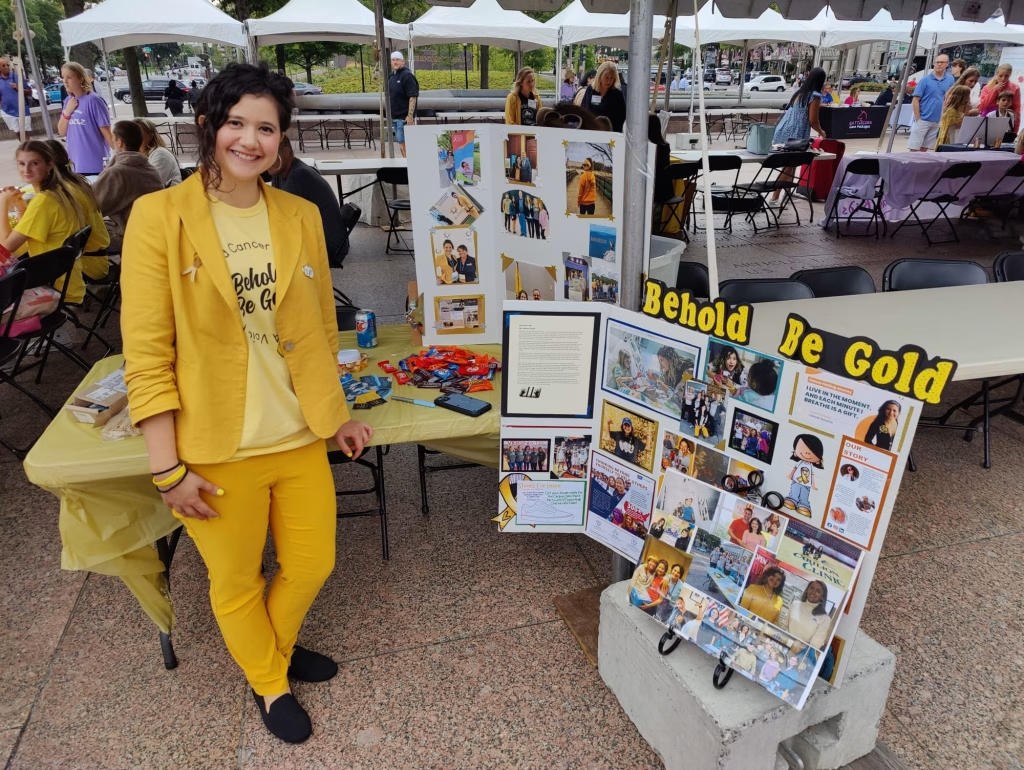
BeholdBeGold
In 2019, after being diagnosed with epilepsy as a late effect, Juanita transformed frustration into activism and founded BeholdBeGold:
“BeholdBeGold is to perceive an unstoppable force of positivity, ambition, and resiliency that arises within you while undergoing the late effects, challenges, and barriers that come with surviving childhood cancer.”
Her mission is twofold:
- Raising awareness: “BeholdBeGold envisions a world where childhood cancer survivors are not only celebrated and supported but also empowered to lead fulfilling lives despite the challenges of late effects from their treatment…”
- Amplifying voices: “We provide comprehensive resources, advocacy, and a supportive community… Through these efforts, we aim to celebrate, support, and empower survivors to lead fulfilling lives beyond cancer treatment.”
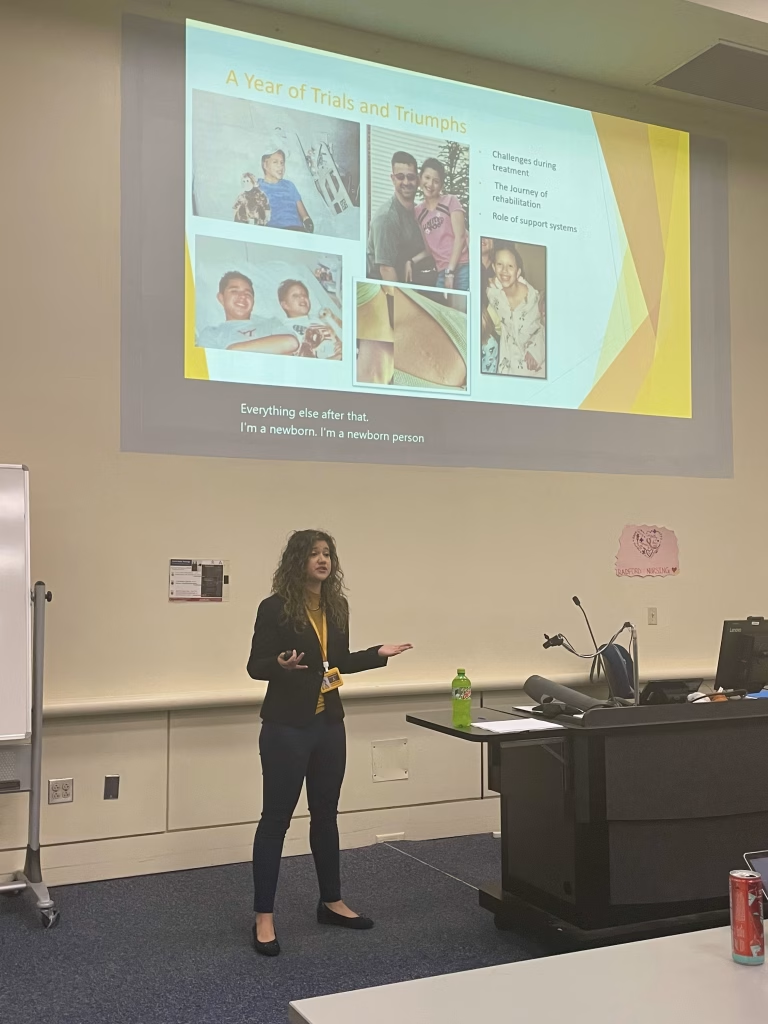
Where is Juanita Now?
“Since the episode aired, so much has happened! I’ve continued to grow BeholdBeGold, connecting with more survivors and families, sharing resources, and having heartfelt conversations about survivorship and long-term health after childhood cancer. And exciting news, BeholdBeGold is in the process of becoming a nonprofit! This is such a huge step forward and will help us expand our reach, build stronger programs, and support even more survivors!”
Actionable Takeaways
For AYAs:
- Identify your “one person.” Like Juanita’s chosen friend who sat through her seizure episode and alerted help, having a confidante can be lifesaving.
- Advocate for accommodations. Whether in school or college, use IEPs or the ADA to get what you need. You deserve safety and space.
- Channel frustration into purpose. If you’re facing a late effect like Juanita did, consider ways to turn your experience into positive change for others, like sharing your story and building community support.
For Caregivers / Friends:
- Champion inclusion. Invite your friend to games, malls, and events. Even if they can’t fully participate, they will appreciate feeling included.
- Communicate openly and consistently. Ask, “How can I support you?” instead of assuming. And remember, the answer may be different day to day
- Normalize seeking support. Help connect your friend with mentors, support groups, or survivor networks.
Final Thoughts
If you take anything away from Juanita’s story, whether you’re an AYA walking the path yourself, a caregiver wondering how to show up, or a community member hoping to help, let it be this: Your presence matters. Small acts of connection can move mountains for your loved one.